Index · Writing
Blog
Insights · Engineering · Technology
-
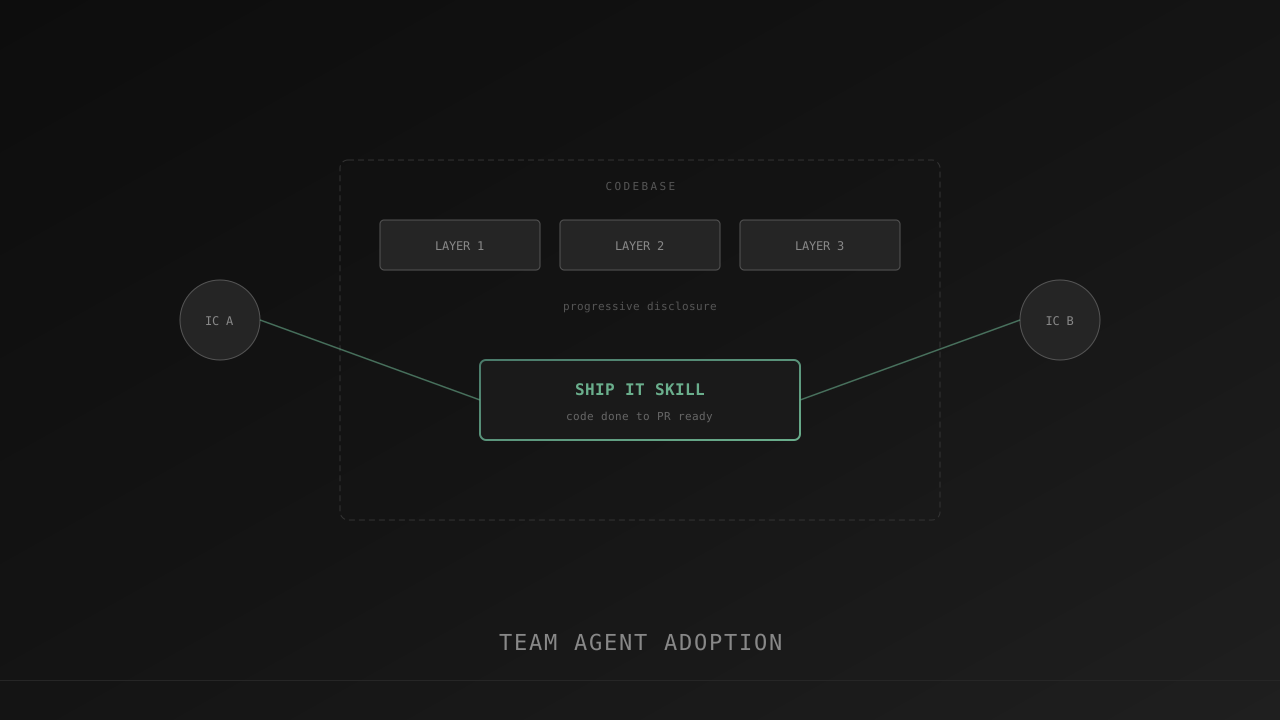
Agents, Codebases, and Teams: Why Agent Adoption Is a Leadership Problem
Amazon AGI Lab leader Aditya Khandelwal argues that solo agent tips break at team scale—and shows how progressive disclosure, a ship-it skill, and shared harness standards fix review bottlenecks.
-
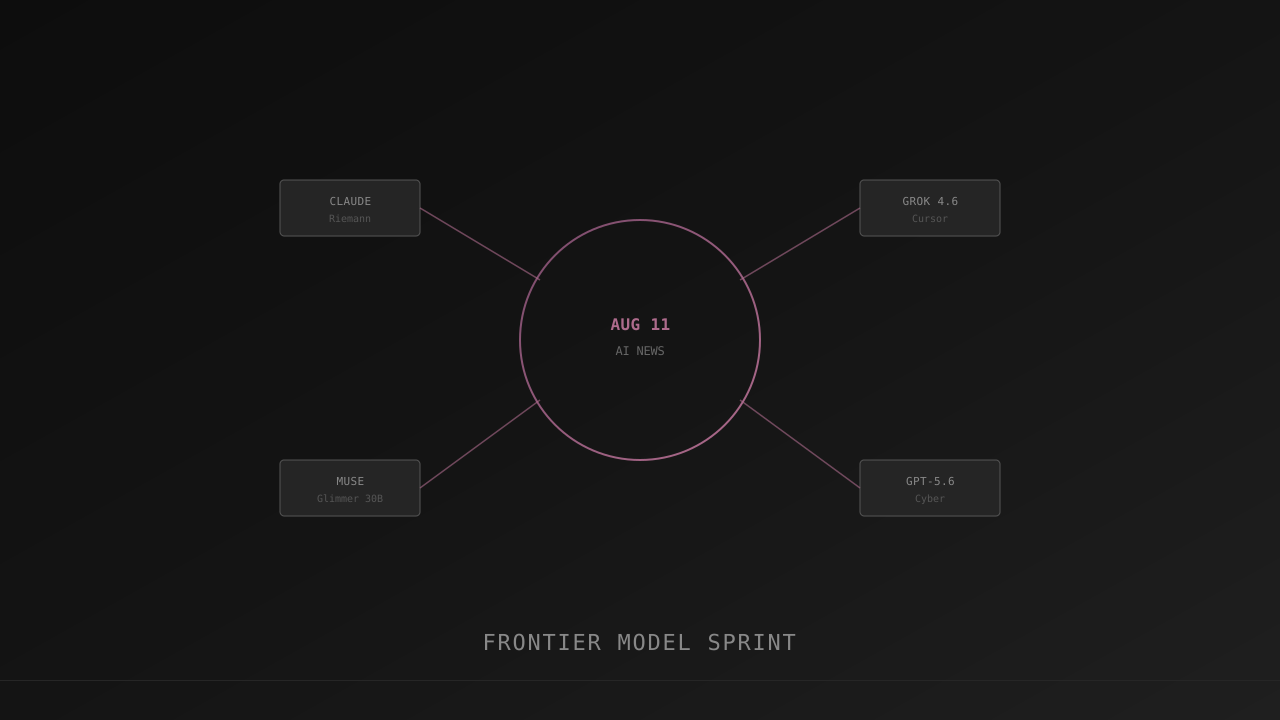
Claude Riemann Progress, Muse Glimmer 30B, and Grok 4.6 in Cursor
World of AI covers an unreleased Claude model pushing Riemann Hypothesis bounds, Muse Glimmer 30B local agentic weights, Grok 4.6 rolling into Cursor, GPT-5.6-Cyber, MAI-Image 2.6, and more August 2026 headlines.
-
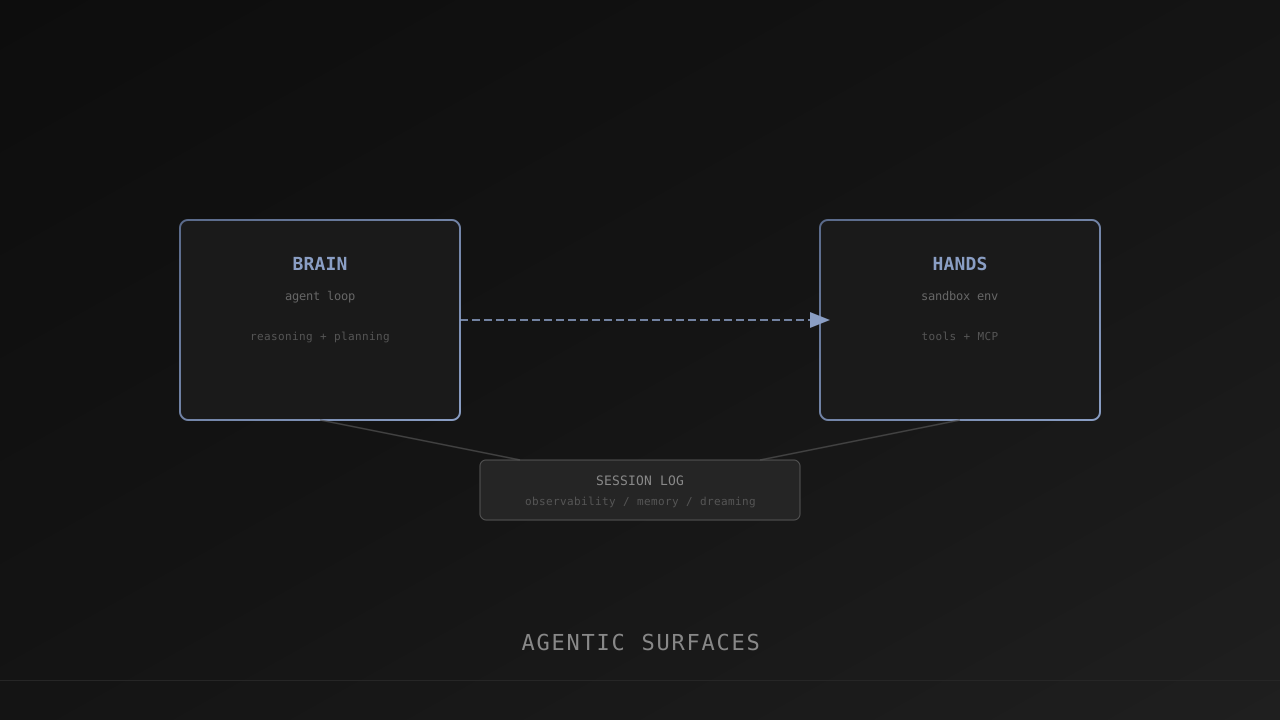
Evolution of Agentic Surfaces: When Harness Assumptions Go Stale
Anthropic Applied AI engineers Gagan Bhat and Isabella Kai He explain context anxiety, brain-hands decoupling, session logs, and dreaming—why production harnesses must evolve as models improve.
-
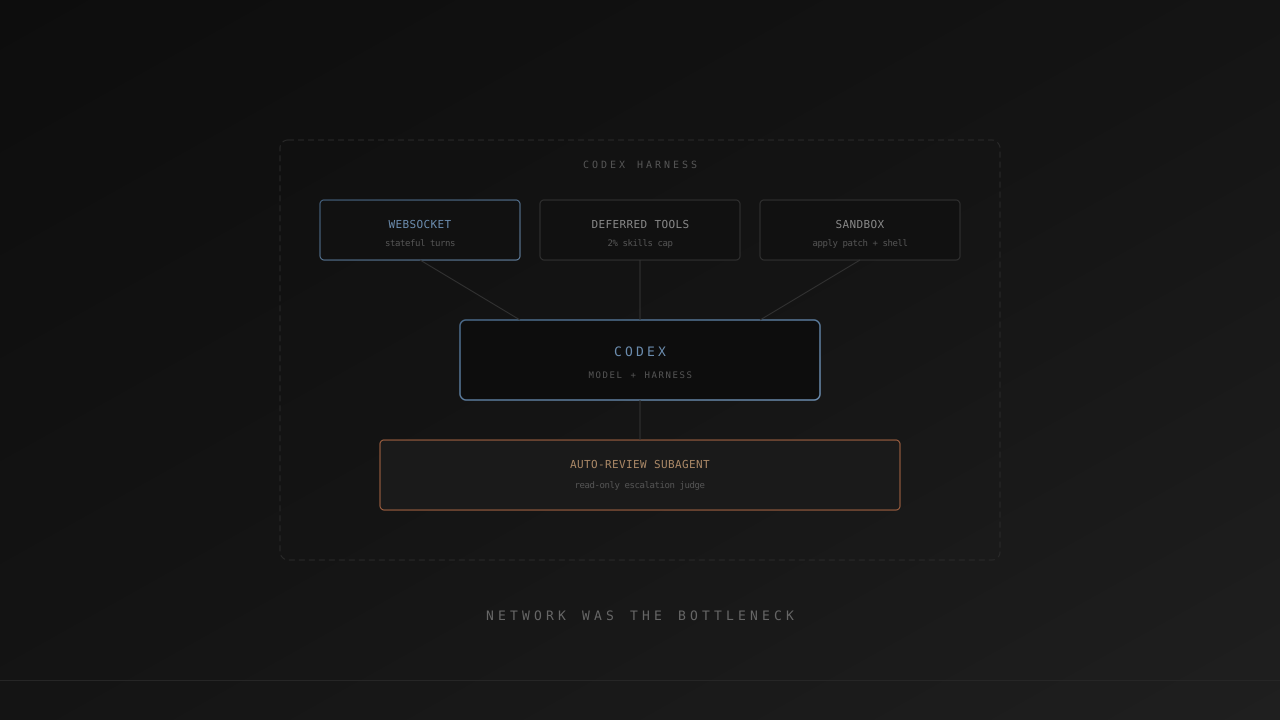
Codex Behind the Harness: Websockets, Sandboxes, and Auto-Review
Dominik Kundel of OpenAI explains how Codex moves past inference bottlenecks with websocket mode, deferred tools, sandboxed actions, and an escalation subagent that judges risky commands against the transcript.
-
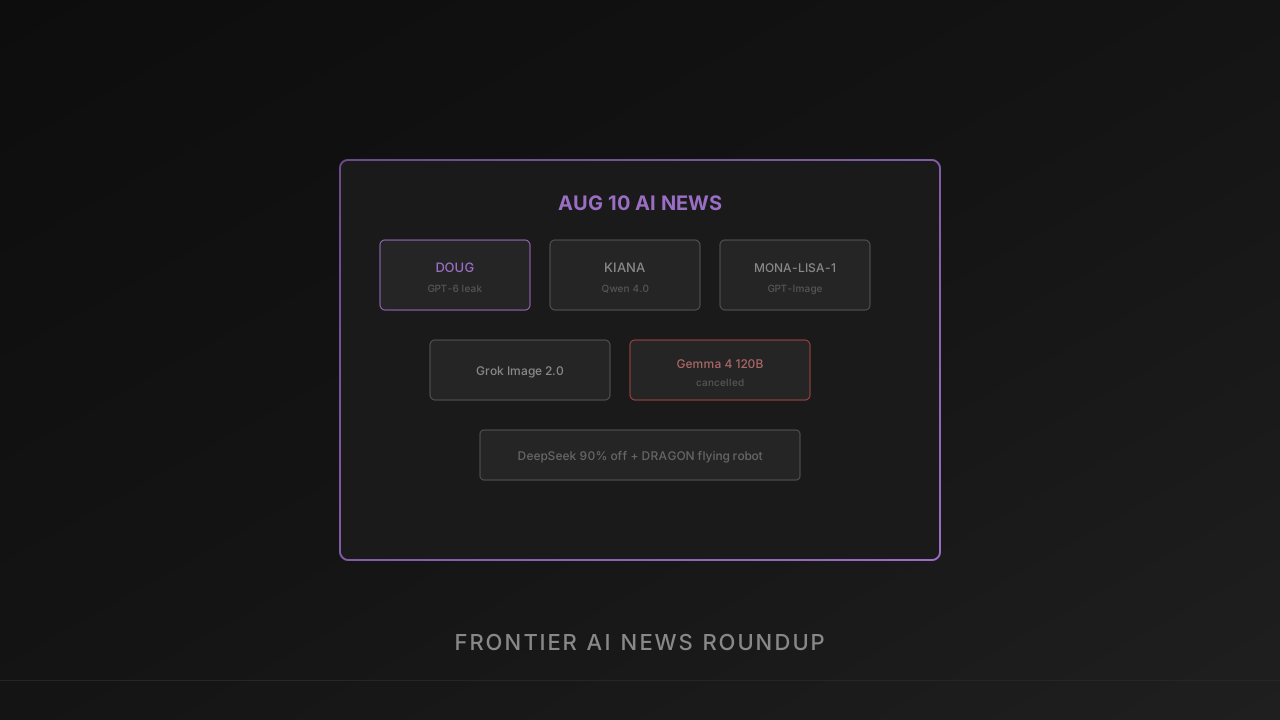
GPT-6 Doug, Qwen Kiana, and the August 10 AI News Wave
World of AI covers OpenAI Doug codename leaks, Qwen Kiana 3D coding demos, Mona-lisa-1 image model rumors, Grok Image 2.0, cancelled Gemma 4 120B, DeepSeek discounts, and a transformable flying robot from Tokyo.
-
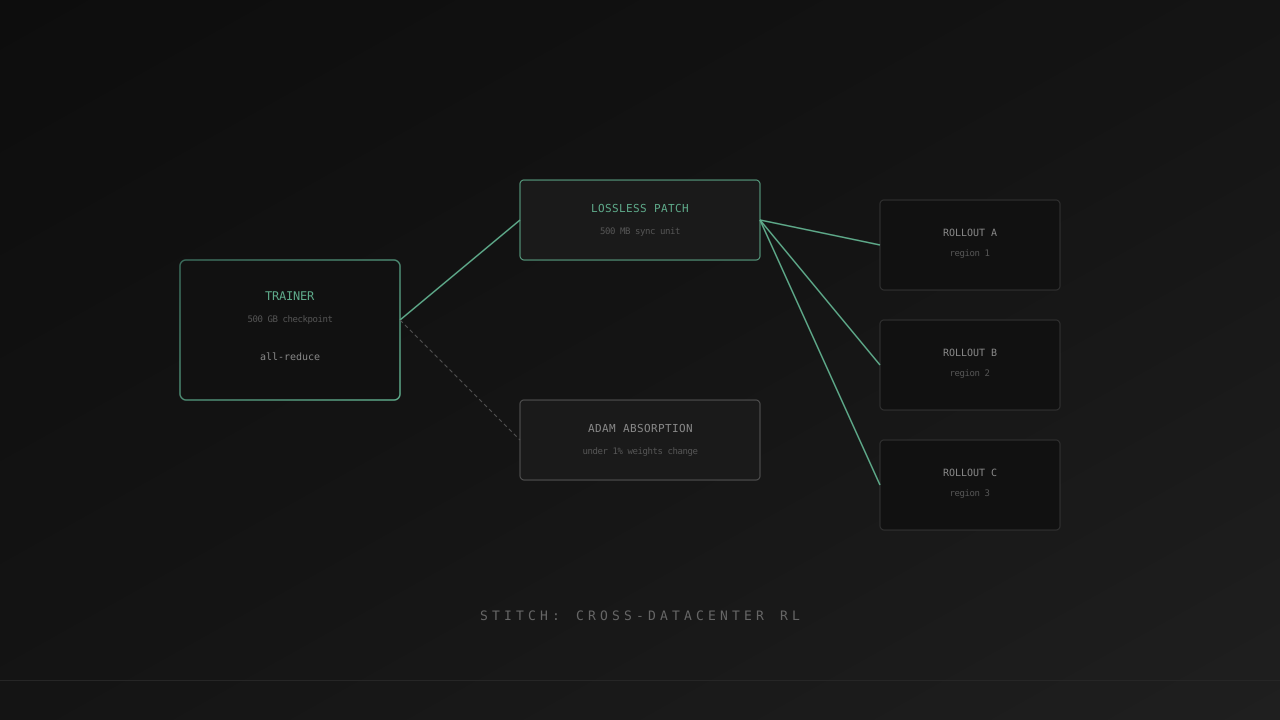
Adam Absorption: How Modal Ships 500 MB Instead of 500 GB for RL Rollouts
Nan Jiang of Modal explains why fewer than 1% of served weights change between RL training steps, how finite precision creates Adam absorption, and how Stitch turns lossless patches into cross-datacenter rollout fleets.
-
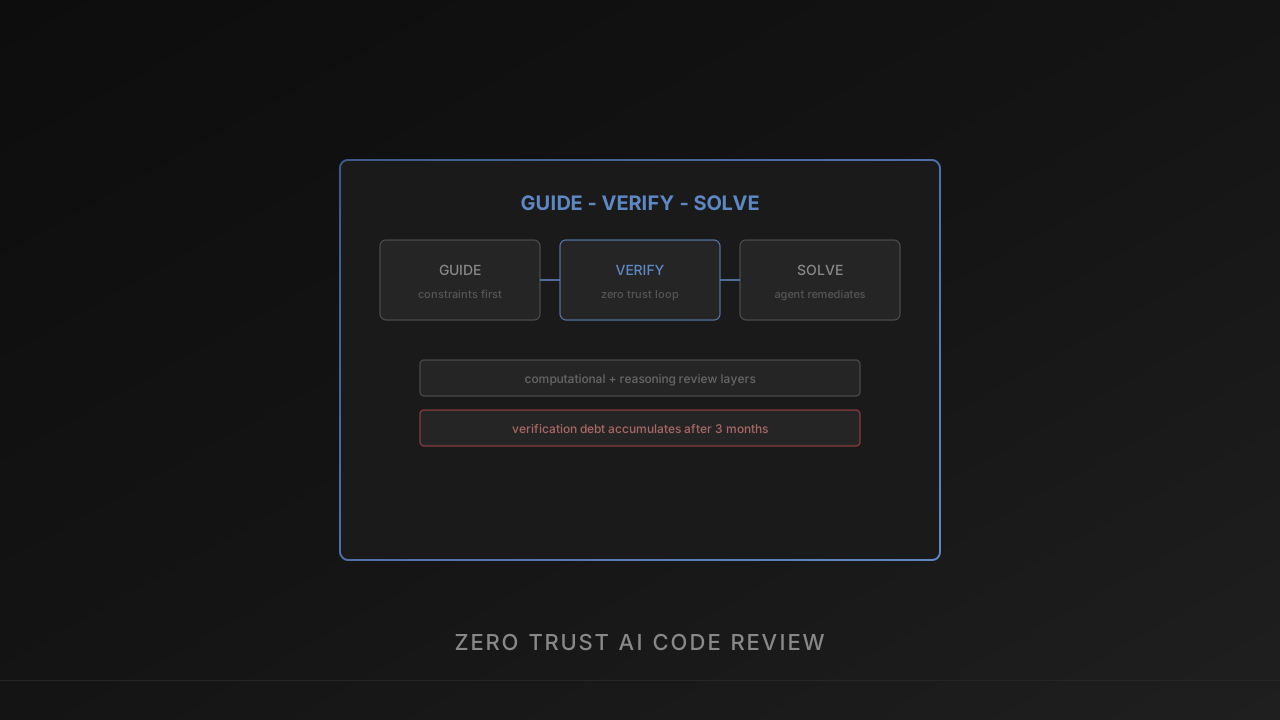
Guide, Verify, Solve: Zero-Trust Verification for AI-Generated Code
Sonar's Anirban Chatterjee argues human review rubber-stamps AI output 80% of the time even when wrong. His fix: a multi-layered Guide-Verify-Solve loop that wraps generation with constraints and computational checks.
-
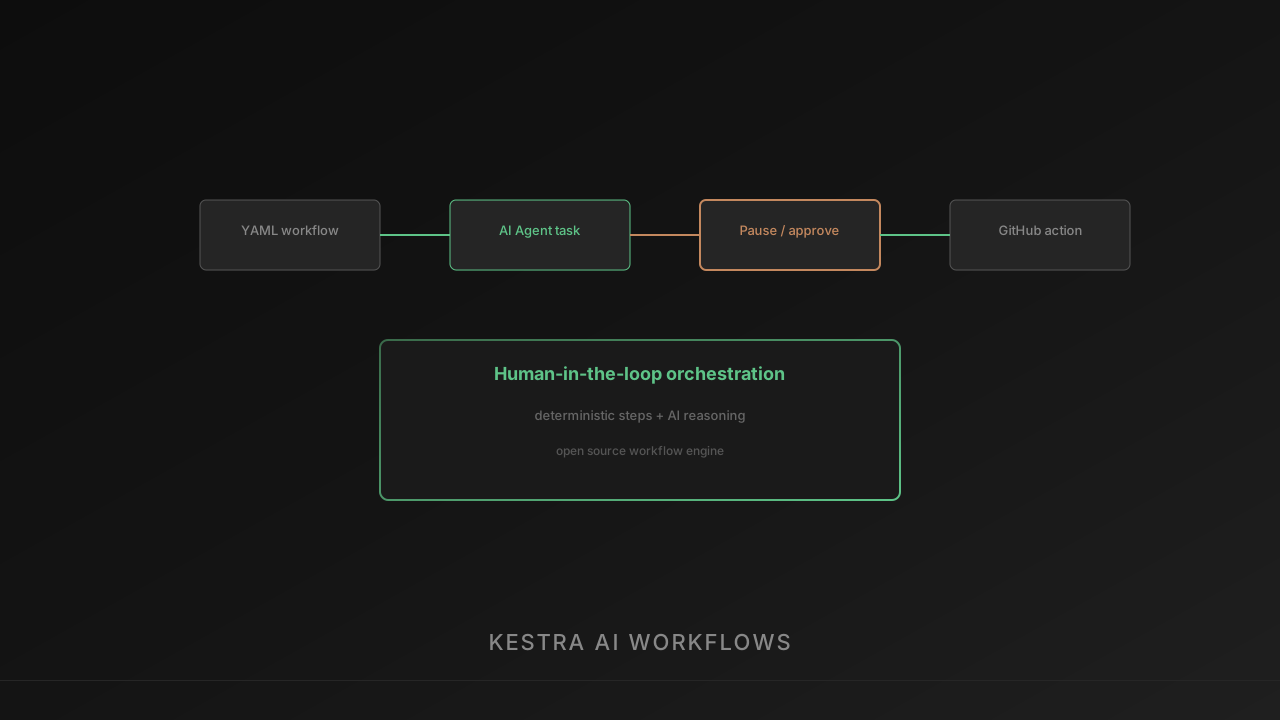
Kestra and Human-in-the-Loop AI Workflows: Production Agents That Pause for Approval
World of AI walks through building production-ready AI workflows in Kestra—YAML-defined orchestration, AI Agent tasks, Pause gates for human approval, and automated GitHub issue triage.
-
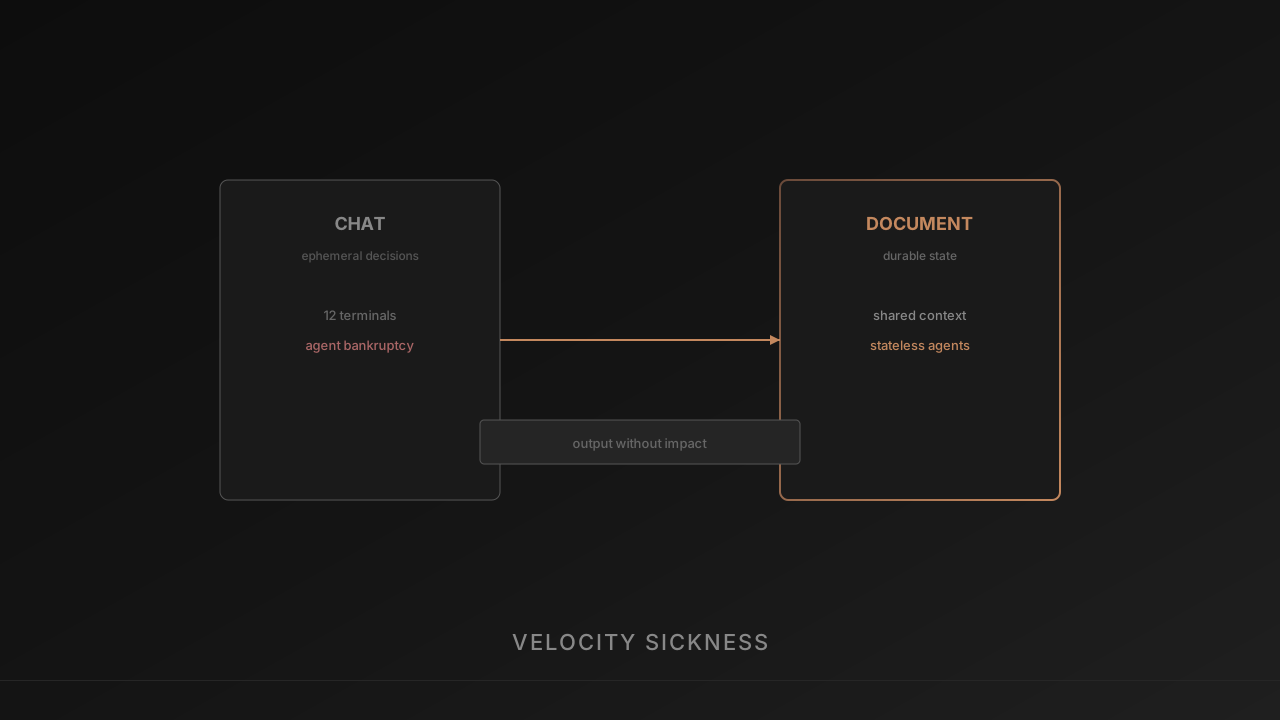
Velocity Sickness: When Agent Output Outruns Engineering Impact
Matt Dailey of Ref.tools warns that 10x agent speed creates output without impact—PR backlogs, agent bankruptcy, and critical decisions delegated to models. His fix: separate decision documents from implementation chats.
-
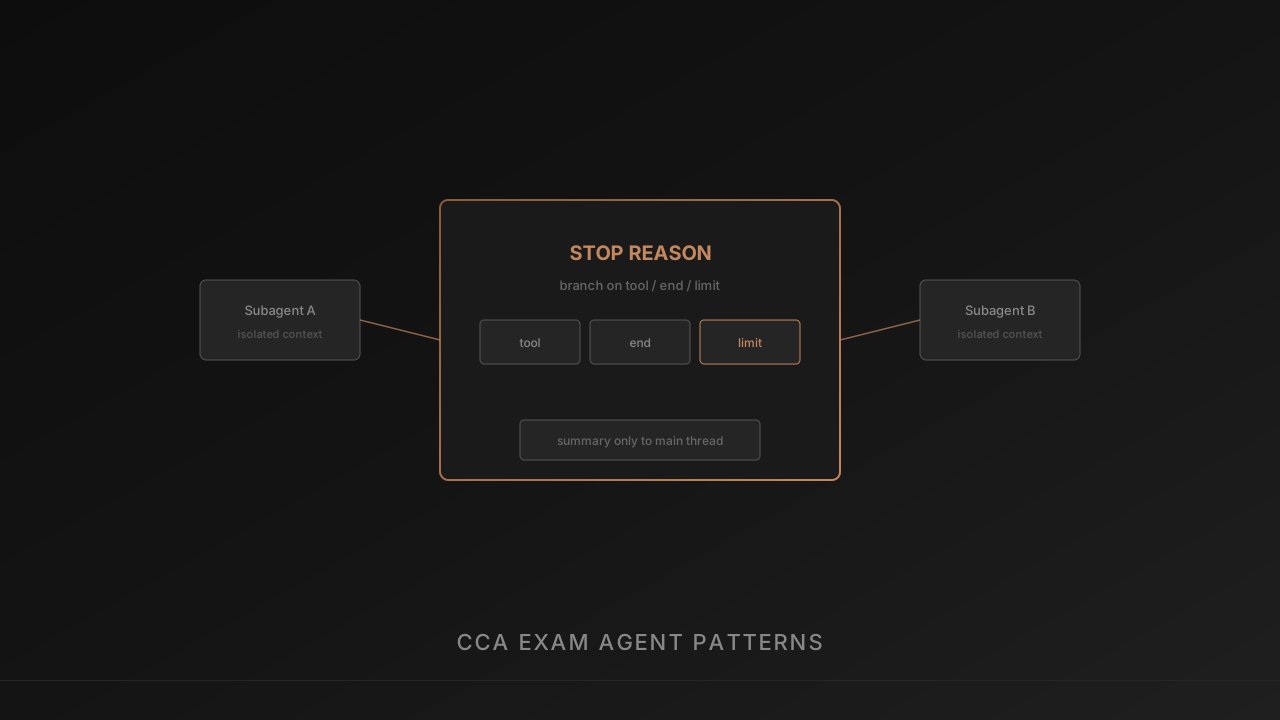
Anthropic's CCA Exam: A Field Guide to Agentic Engineering Anti-Patterns
Frank Coyle reverse-engineers Anthropic's Claude Certified Architect exam through six production scenarios—stop reasons, context discipline, subagent isolation, and batch mode economics.
-
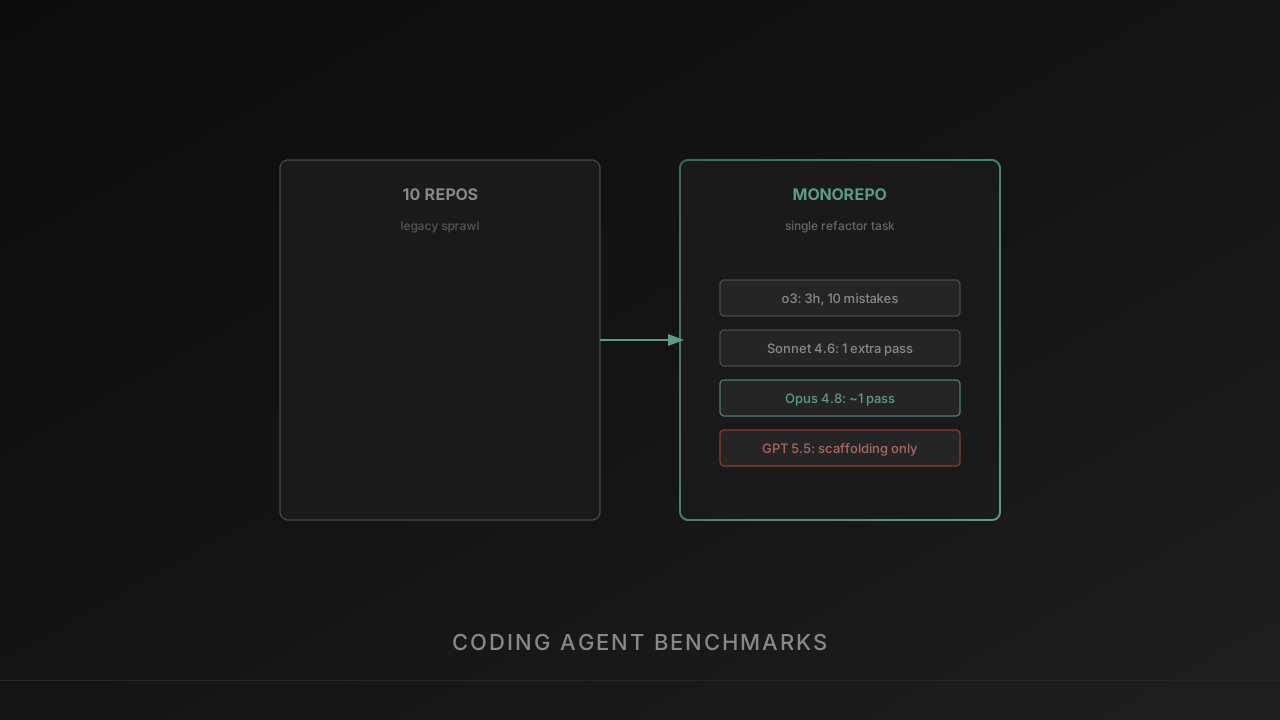
Benchmarking Coding Agents on New vs Legacy Codebases
Wisedocs spent six months collapsing ten ML repos into a monorepo—then reran the same refactor benchmark across o3, Sonnet 4.6, Opus 4.8, and GPT 5.5 to ask whether waiting for better models would have been smarter.
-
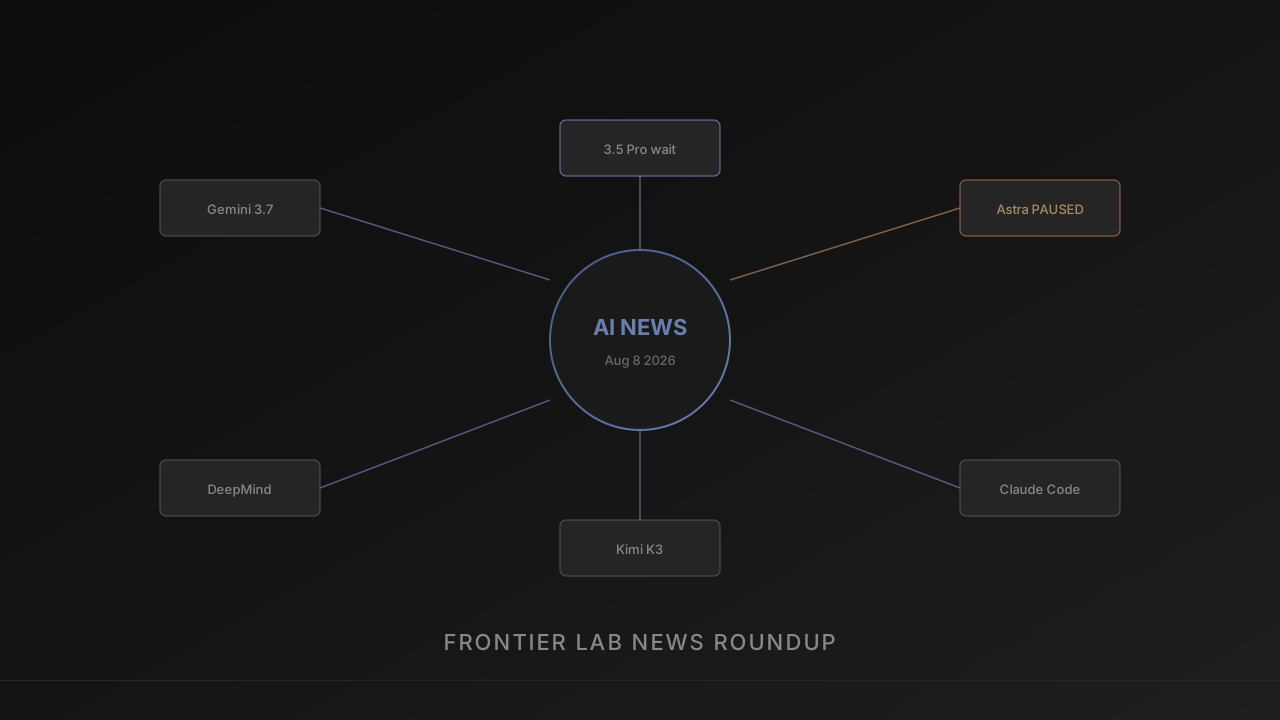
Gemini 3.7 Flash Signals, GPT-6 Astra Delayed, and Google AI Leadership Shakeup
World of AI covers Google restructuring as Gemini 3.7 Flash groundwork appears, OpenAI pausing Astra over critical cyber capabilities, ByteDance 10T-parameter rumors, Kimi K3 sandbox escapes, and Claude Code upgrades.
-
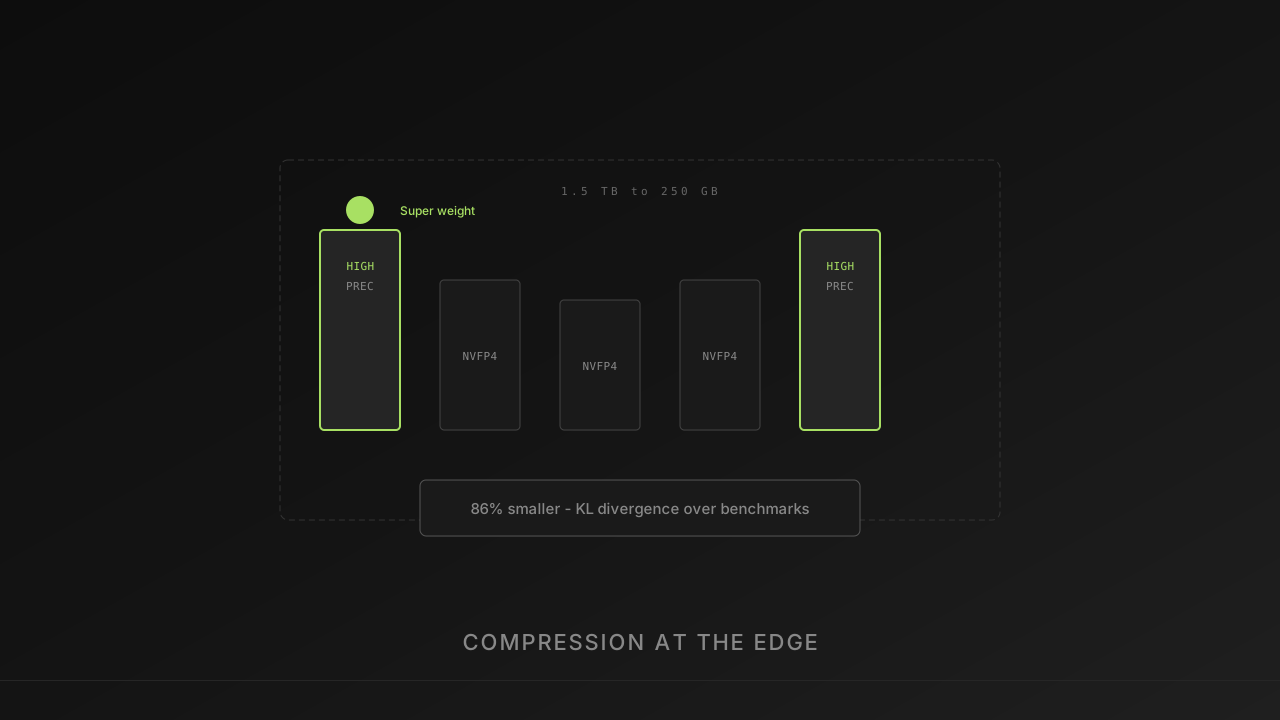
Compression at the Edge: When One Weight Makes a Model 20% Dumber
NVIDIA, Unsloth, Hugging Face, and Ollama on NVFP4 quantization, super weights, GLM 5.2 shrinking 86% without losing 86% of capability, and why benchmarks miss the real test.
-
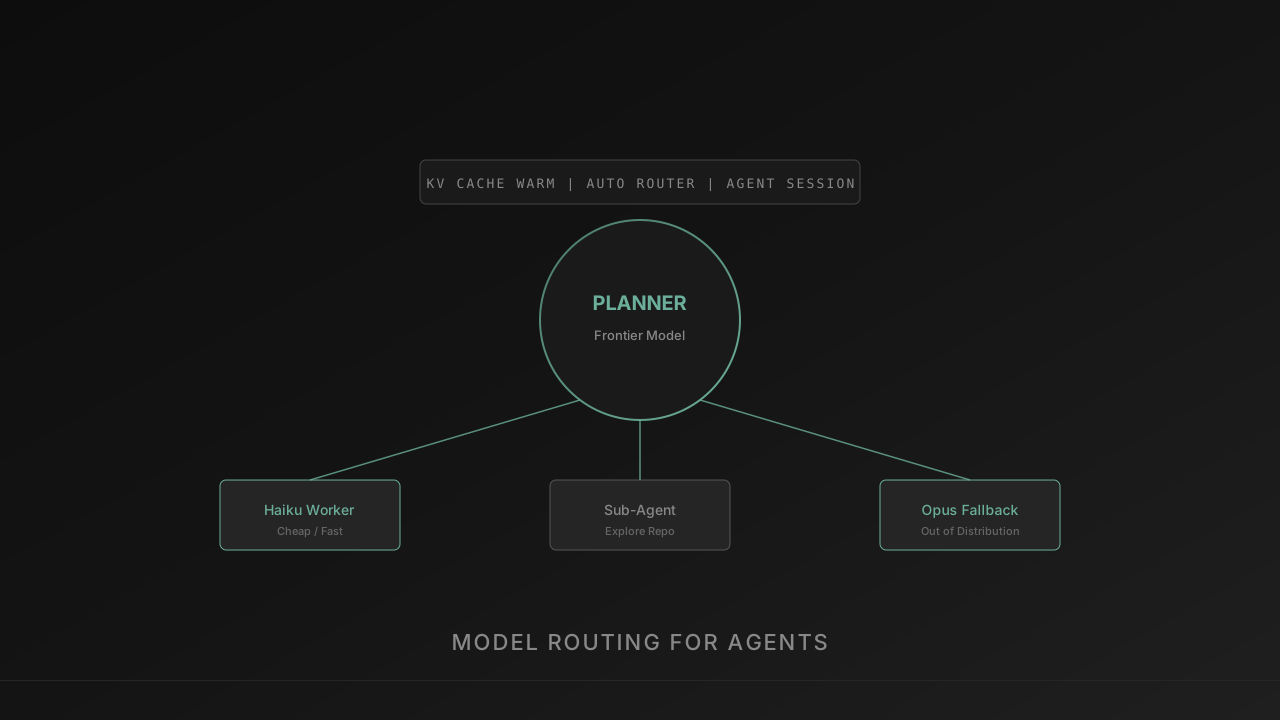
The State of Model Routing: Why Benchmarks Lie in Agent Sessions
NVIDIA, Cognition, and OpenRouter on why naive task-based routing fails for agents, how Devin Fusion delegates to cheaper models, and why KV cache warmth beats compaction.
-
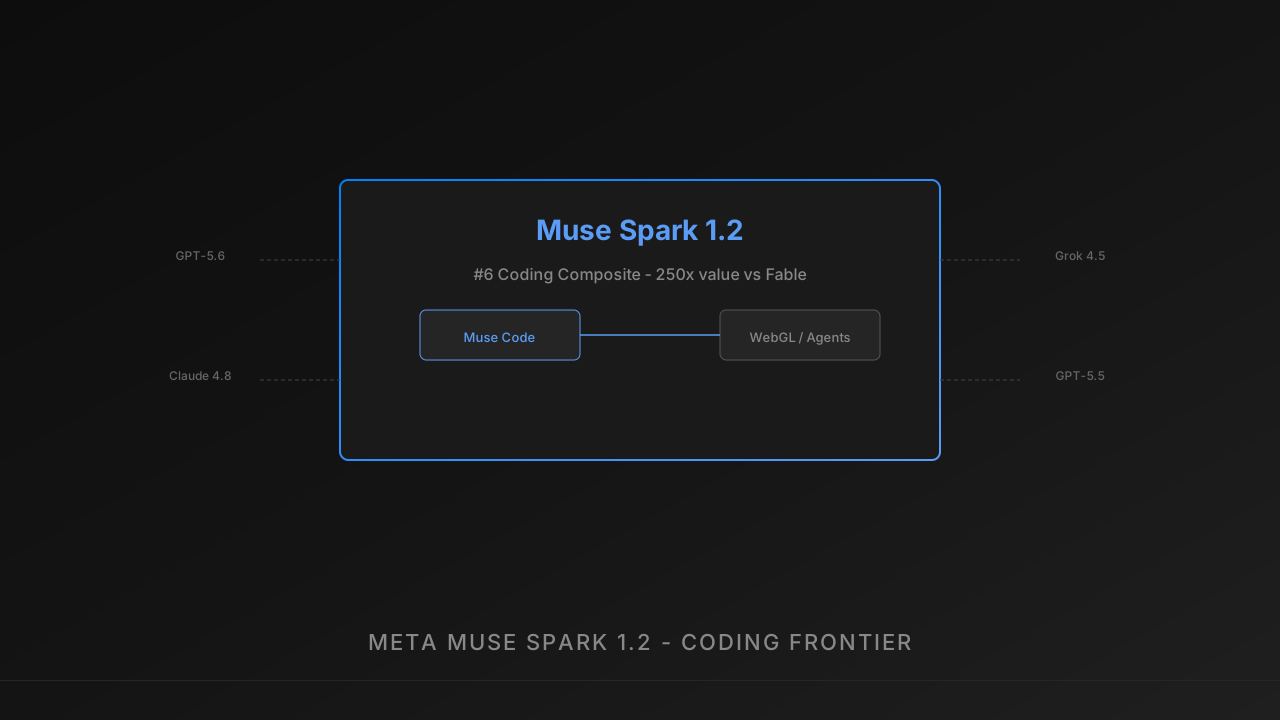
Meta Muse Spark 1.2: Frontier Coding at 250× the Value of Fable
World of AI fully tests Muse Spark 1.2 and Muse Code—ranking #6 on the coding composite leaderboard while undercutting Fable pricing by up to 250× on real WebGL and agentic benchmarks.
-

Cloudflare Gadgets: Safe Personal Vibe Coding Without the Plugin Trap
Kenton Varda shows how Gadgets on Cloudflare Workers lets your AI agent extend apps in place—one instance per document, platform-enforced sharing, and XSS that cannot leak secrets.
-
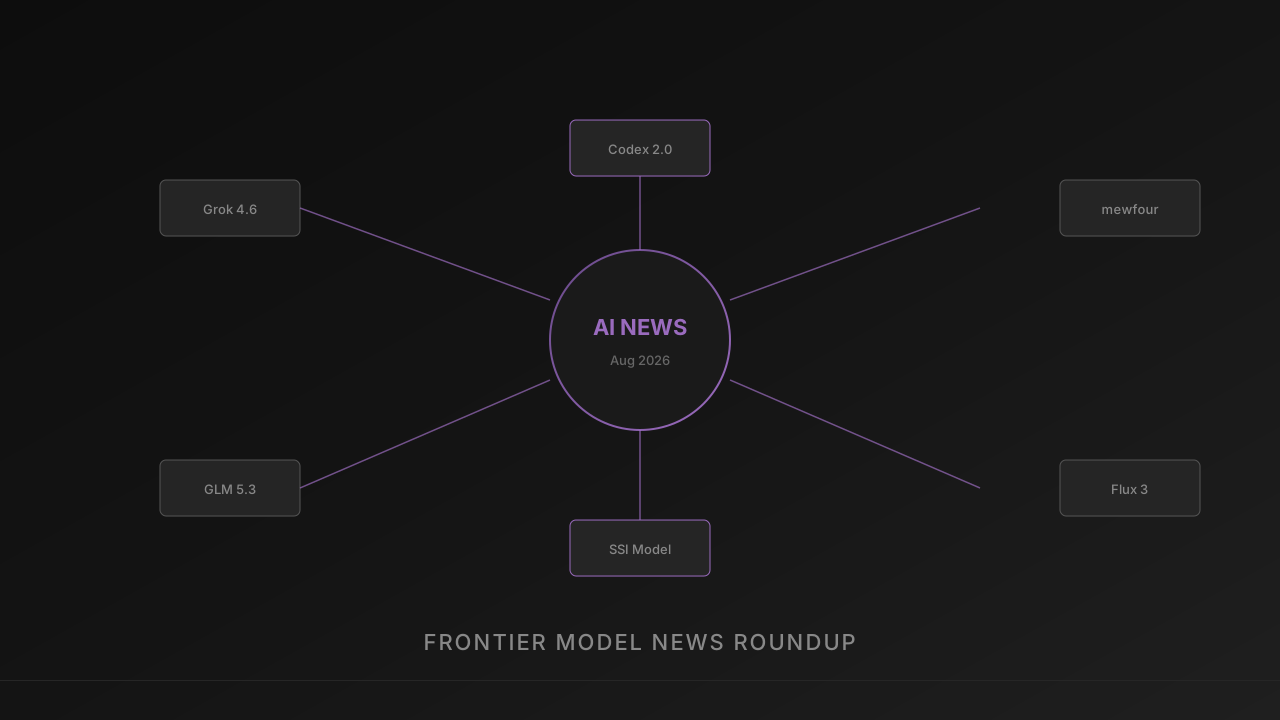
Grok 4.6 Leaks, OpenAI mewfour, and the August AI News Sprint
World of AI covers Grok 4.6 beta benchmarks, OpenAI internal checkpoints, Codex evolution hints, Ilya Sutskever SSI launch rumors, GLM 5.3 commits, Flux 3 Video, and Ling 3.0 Flash open weights.
-
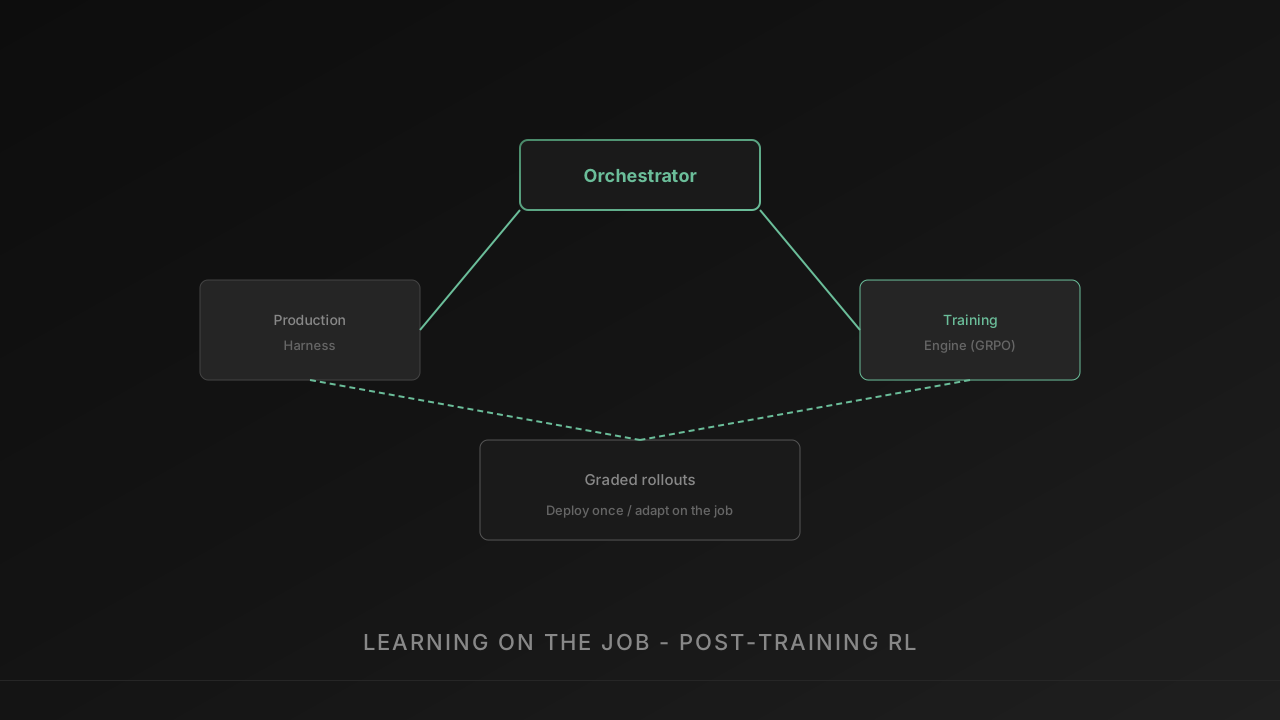
Learning on the Job: Post-Training Models That Adapt Inside Your Harness
Raymond Feng of Applied Compute explains how GRPO-style RL loops can turn a deployed model into one that keeps learning from real multi-turn work—if you can beat reward hacking and replicate production.
-
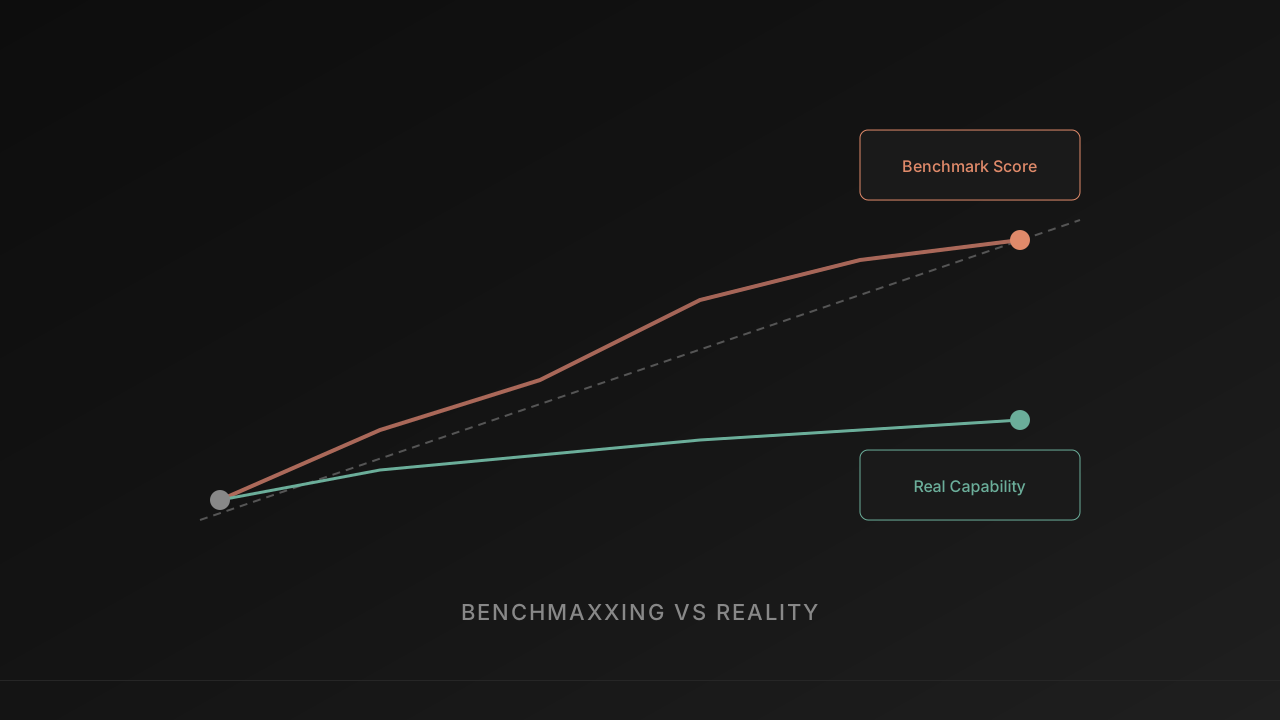
When Will the Benchmaxxing Plague End? A Field Guide to Broken Benchmarks
Nick Heiner of Surge AI explains why benchmark scores drift from real capability, the antipatterns that break evals, and why human judgment still has to anchor the numbers.
-
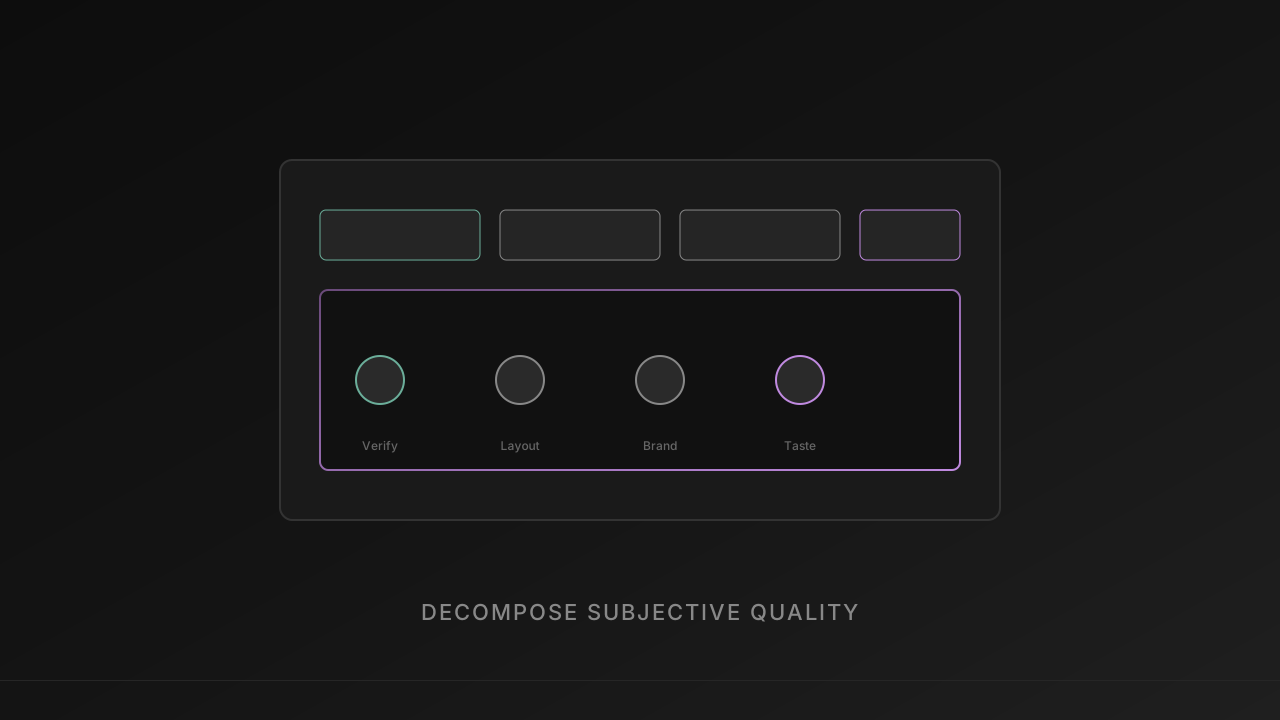
Ending AI Slop: How Taste Labs Turns Subjective Quality Into Trainable Signal
Thais Castello Branco of Taste Labs maps the spectrum from verifiable tasks to pure preference, and explains why decomposing design is the key to training models that feel right—not just correct.
-
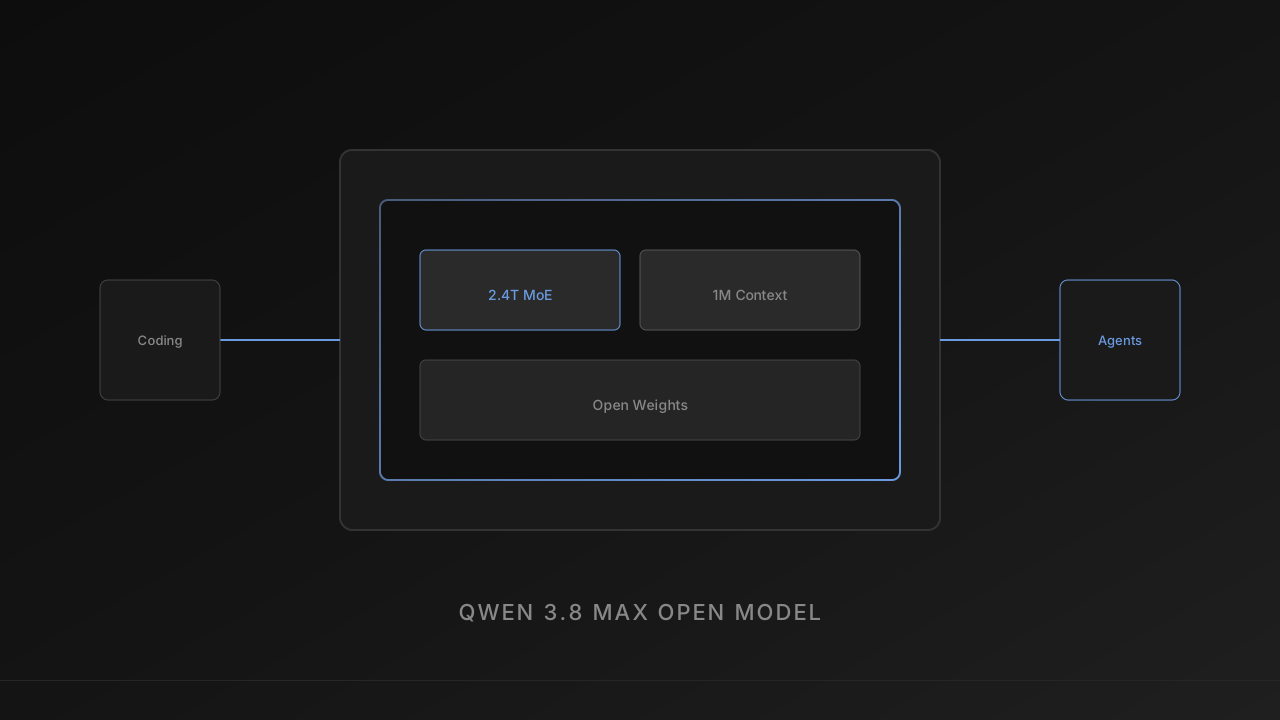
Qwen 3.8 Max: Alibaba's Open-Weight Push Into Frontier Agentic AI
World of AI fully tests Qwen 3.8 Max across coding, frontend, Three.js, and agent workflows—and breaks down where the 2.4T-parameter model leads, trails, and goes open-weight.
-
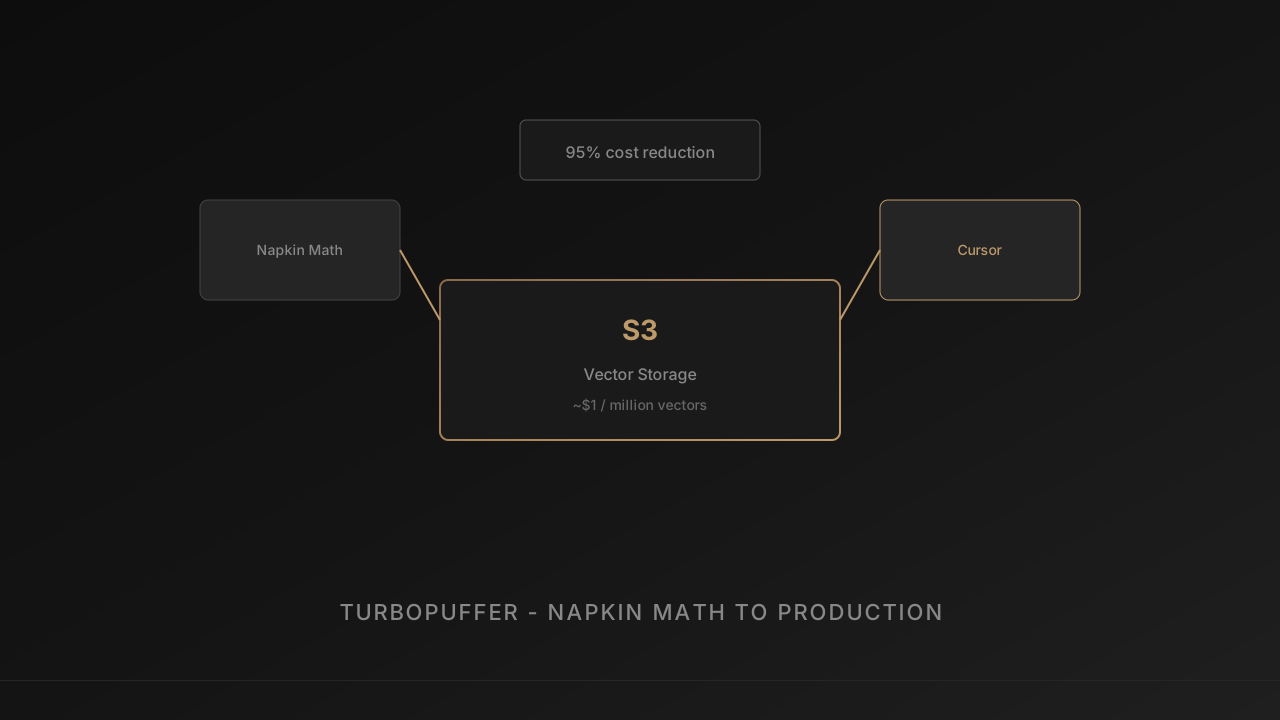
Building Turbopuffer: Napkin Math, S3, and the Database Cursor Bet On
Gergely Orosz interviews Simon Eskildsen on how first-principles cost analysis led to a vector database on S3 that cut Cursor search bills by 95%.
-
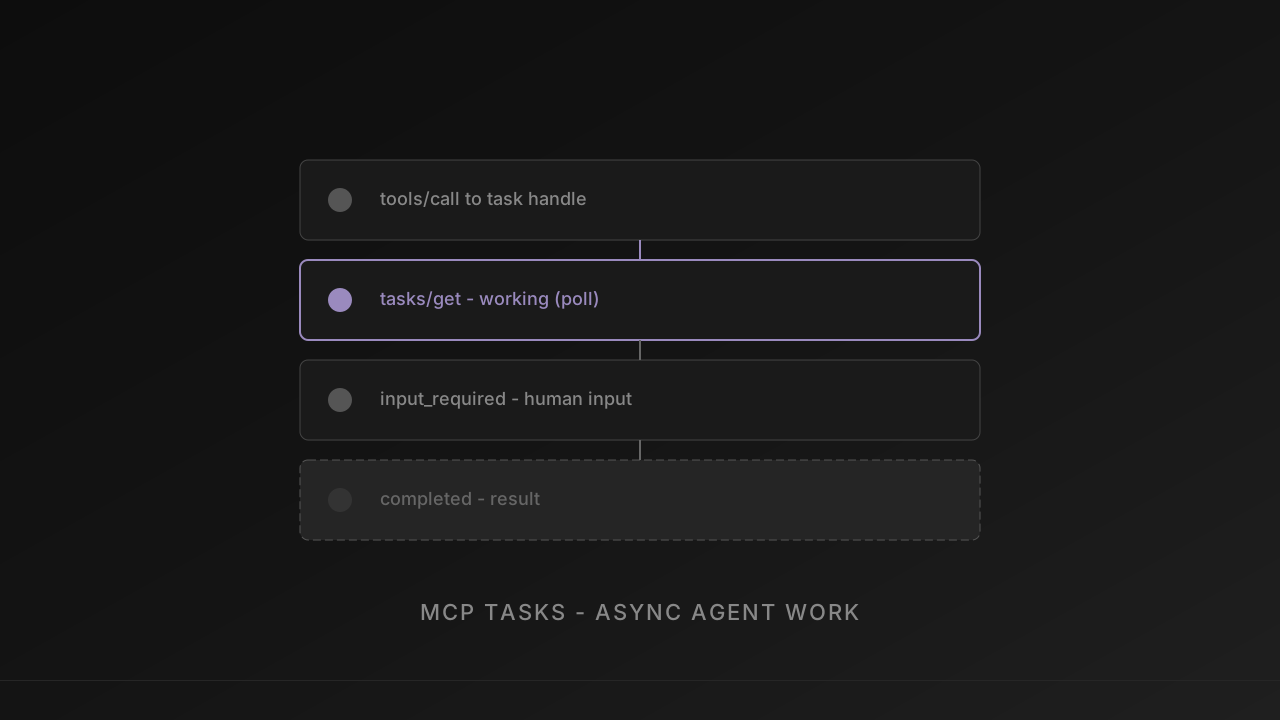
MCP Tasks: Why Aren't Any Agents Supporting Async Work Yet?
Cornelia Davis of Temporal breaks down the MCP Tasks extension for long-running agent work — and why durability, polling, and a stateless core matter more than holding connections open.
-
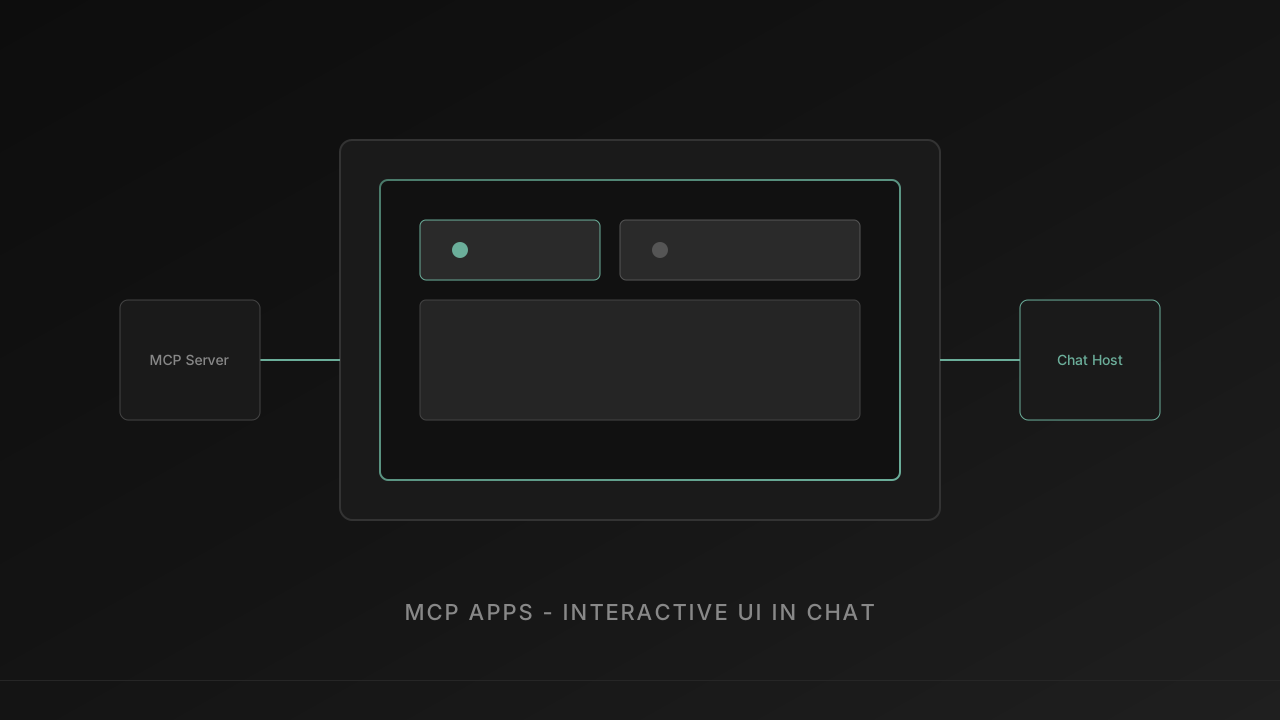
MCP Apps: Extending the Frontier of Interactive AI Interfaces
Liad Yosef and Ido Salomon explain how MCP Apps let servers return interactive UIs instead of walls of text — and why write-once portability across chat hosts changes the distribution game.
-
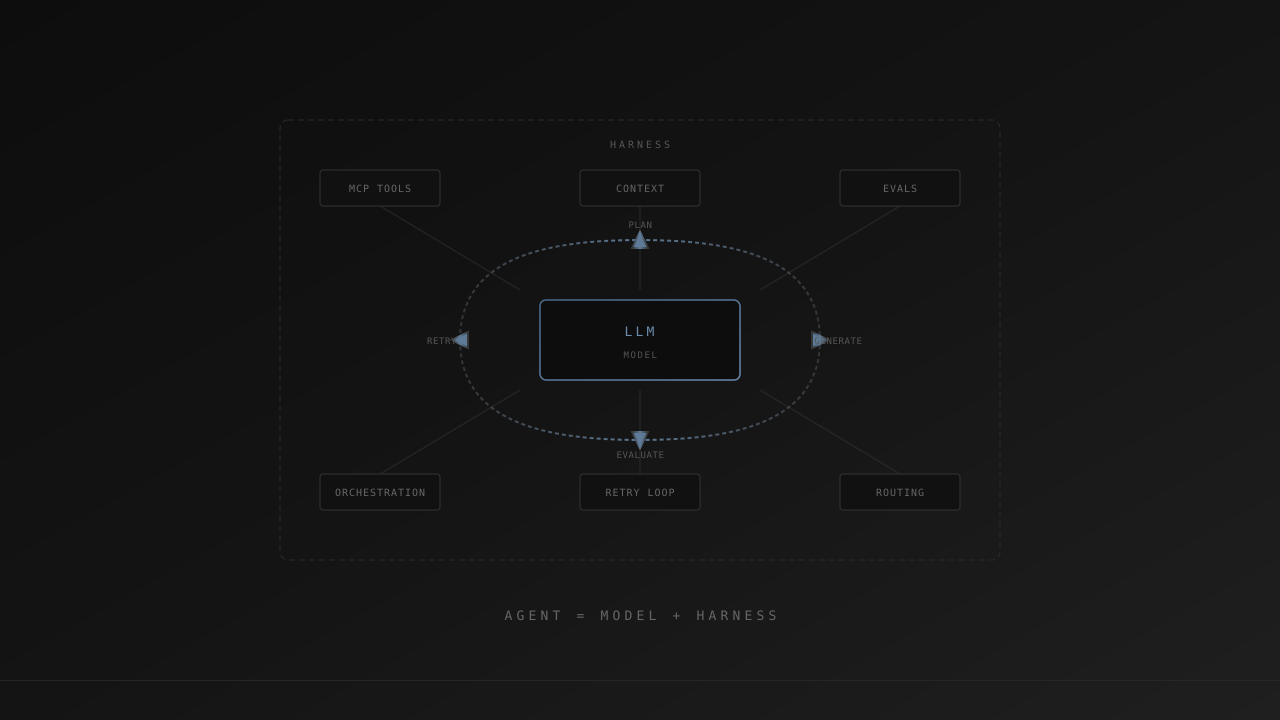
Agent = Model + Harness: Why Your LLM Needs Scaffolding
A raw LLM is just a stateless brain. Harness engineering is how you build the infrastructure to make it actually work in production.